Ever slapped on a new strap and by lunchtime your wrist’s throwing a tantrum? Yep—welcome to the itchy underworld of the Apple Watch band rash. It sneaks in like an uninvited guest: redness, stinging, maybe even little blisters. And most folks don’t even realize it’s their stylish band causing all that drama.
Now here’s the kicker—some materials just aren’t skin-friendly. Sweat builds up, friction kicks in, and voilà: your wrist becomes ground zero for irritation. Nylon? Maybe breathable. Fluoroelastomer? Kinda hit-or-miss. Your skin’s picky—and it has every right to be.
“Over 42% of users reported mild to moderate discomfort due to improper strap fit or material choice,” says Lucas Tanaka, product design lead at Strapsdeal (2024 Materials & Wearability Report). “It’s not just about how it looks—it’s chemistry and pressure.”
So if you’ve been blaming summer heat or dry skin, maybe pause before tossing on any ol’ band again. Let’s talk smart swaps—because comfort shouldn’t come second to style.
Quick Answers for Understanding Apple Watch Band Rash
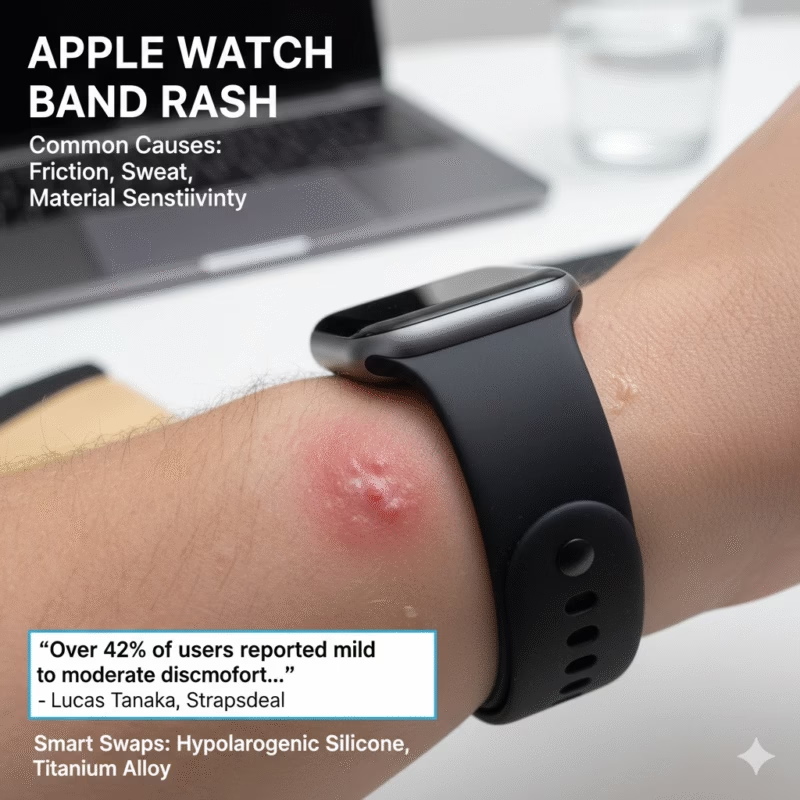
→ Common Causes: Friction, sweat buildup, and material sensitivity are frequent culprits behind wrist irritation.
→ Watch Band Offenders: Sport loop designs trap moisture; nylon can harbor bacteria; fluoroelastomer may irritate sensitive skin.
→ Visible Symptoms: Look out for redness, itching, small blisters, or flaky patches—each tied to different band types and wear habits.
→ Prevention Tactics: Choose hypoallergenic silicone or breathable nylon; clean bands regularly; alternate styles to relieve pressure points.
→ Smart Material Choices: Hypoallergenic silicone is budget-friendly and safe for daily wear; titanium alloy link bracelets offer lightweight comfort with premium feel.
Why Does Apple Watch Band Rash Occur?
Even the sleekest wristwear can cause skin trouble. Here’s why some people end up itchy and irritated after wearing their Apple Watch.
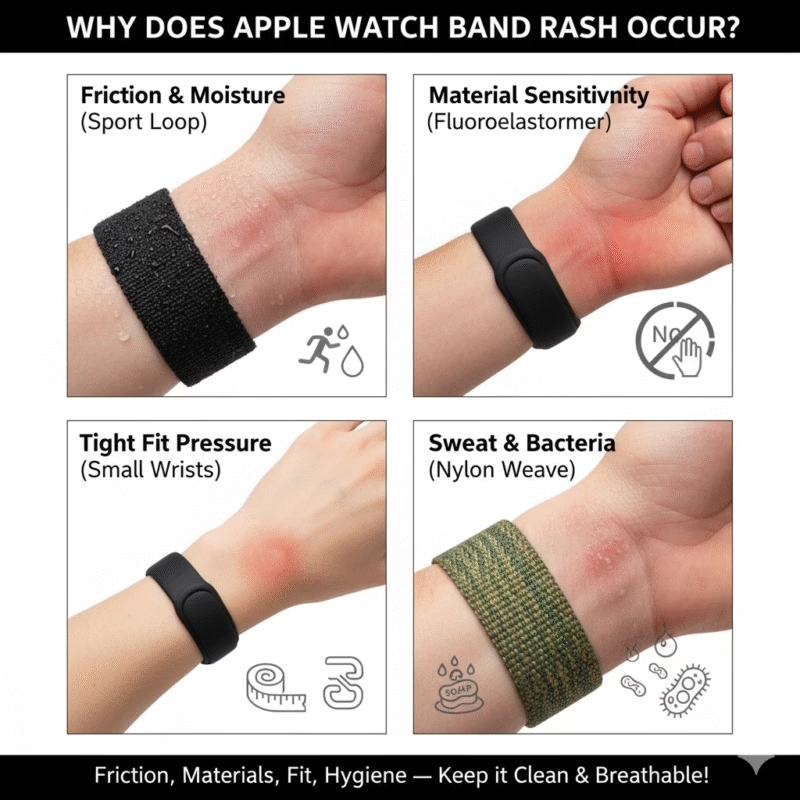
Friction & Moisture in Sport Loop Designs
• Constant rubbing during workouts creates micro-abrasions. That’s when sweat and moisture sneak into the skin, sparking irritation.
• The loop’s fuzzy texture traps dampness, especially if you’re wearing it tight or not drying off post-run.
→ People with active lifestyles are more prone to these issues due to repeated motion and trapped sweat under the band.
Short tip? Let your wrist breathe between workouts.
Skin Sensitivity to Flexible Fluoroelastomer Bands
According to a 2024 dermatology review by the International Contact Dermatitis Research Group, over 12% of wearable tech users reported skin reactions tied to silicone-like materials.
Some folks just have ultra-reactive skin—no shame there. The smooth rubbery feel of fluoroelastomer might seem gentle, but for sensitive types:
- It can trigger irritant contact dermatitis, especially with prolonged wear.
- Heat buildup under the band amplifies discomfort.
- Lack of airflow means trapped oils and debris stay pressed against the skin.
If redness lingers, swap bands or go bare-wrist for a while.
Tight Fit Pressure Points on Small Wrist Sizes
Short wrists meet long bands—and that’s where trouble starts.
A snug fit might keep your watch secure, but it also:
• Creates constant pressure around bony areas like the ulna.
• Increases chances of developing red marks or even mild bruising after extended wear.
For smaller wrists, that tight wrap concentrates stress on a limited surface area—leading to discomfort or even a rash outbreak caused by friction and tight band pressure.
Loosening just one notch can make all the difference.
Sweat and Bacteria Build-Up Under Breathable Nylon Weave
Grouped causes behind nylon-related rashes include:
→ Sweat retention: Breathable doesn’t mean moisture-proof; perspiration still pools underneath during activity.
→ Microbial growth: Warmth plus dampness equals bacteria party time—hello, bacteria build-up!
→ Friction hotspots: The weave rubs differently than smoother materials, often irritating over time.
If you’re rocking nylon during workouts or hot weather, give it regular washes—and switch it out when possible to cut down on grime accumulation and potential rash flare-ups linked to poor hygiene.
Summary
The Apple Watch might be smart—but your skin is smarter. Whether it’s friction from sport loops, sensitivity to fluoroelastomer rubber, overly snug fits on petite wrists, or sweaty bacterial buildup under woven bands—each cause has its own fixable root. Keeping things clean and breathable helps dodge most rash triggers related to your daily wrist companion.
Symptoms Of Apple Watch Band Rash Explained
Some folks just notice a little redness. Others? It’s a full-on skin rebellion. Here’s what to watch for if your wrist starts acting up.
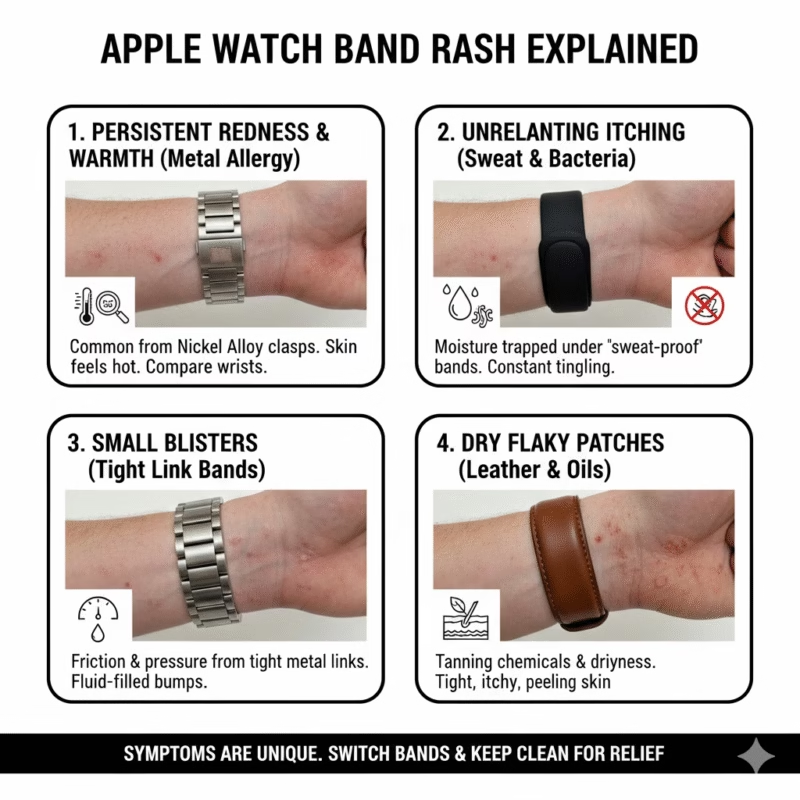
Persistent Redness and Warmth Around the Wrist
- Redness that sticks around longer than it should? That’s not just from wearing your watch too tight.
- Warmth in that same area can mean inflammation is brewing beneath the surface.
- If the skin feels hot and looks flushed even after you take off the band, it might be reacting to nickel or another metal alloy in the clasp.
- Take note of how long the irritation lasts after removing the band.
- Compare both wrists—if only one is affected, it’s likely contact-related rather than systemic.
☐ Avoid scratching—this only worsens inflammation and increases risk of infection.
Long-term exposure to certain metals or synthetic materials used in smart accessories can cause low-grade allergic dermatitis, especially when sweat gets involved.
Unrelenting Itching Beneath Sweat Proof Straps
• The itch isn’t subtle—it’s nagging and constant, like something crawling under your skin.
• Moisture buildup under those “sweat-proof” bands traps bacteria, triggering irritation.
You’ll usually notice:
– A raised rash where the strap touches skin directly
– Sharp tingling whenever you sweat or heat up during activity
Sometimes switching to a breathable fabric strap solves this overnight. Other times? You’re dealing with an allergy to silicone or rubber blends commonly found in these so-called “sweat-resistant” designs.
Small Blisters from Prolonged Link Bracelet Wear
Grouped Signs & Causes:
Friction-Based Irritation:
- Repeated wrist movement causes micro-abrasions under heavy link bands.
Pressure Points:
- Metal links press into soft tissue when worn tightly for hours.
Trapped Heat:
- Metal doesn’t breathe well; trapped warmth leads to blistering pockets of fluid on sensitive skin zones.
| Symptom Type | Common Location | Severity Scale (1–5) | Recovery Time |
|---|---|---|---|
| Clear Blisters | Inner wrist bone | 3 | 3–5 days |
| Red Bumps | Underside of wrist | 2 | 2–4 days |
| Peeling Skin | Near clasp area | 4 | Up to 7 days |
Switching out metal bracelets for woven nylon or perforated leather could prevent recurrence altogether—especially if you’re active or sweat often while wearing your device.
Dry, Flaky Patches with Smooth Leather Material
You’d think leather would be gentle—but nope, not always.
→ Some folks develop dry patches that look like mild eczema right where smooth leather makes contact with their wrist.
→ These spots often appear after extended wear without cleaning either the strap or your skin.
→ The oils used in tanning leather can also trigger minor allergic responses over time.
Multiple signs show up together:
- Skin feels tight and slightly itchy
- Visible flaking or peeling
- Sometimes discoloration at edges of patch
A hypoallergenic liner between band and skin may help reduce flare-ups—or try rotating between different strap types every few days so no single material overstays its welcome on your arm.
5 Steps To Avoid Apple Watch Band Rash
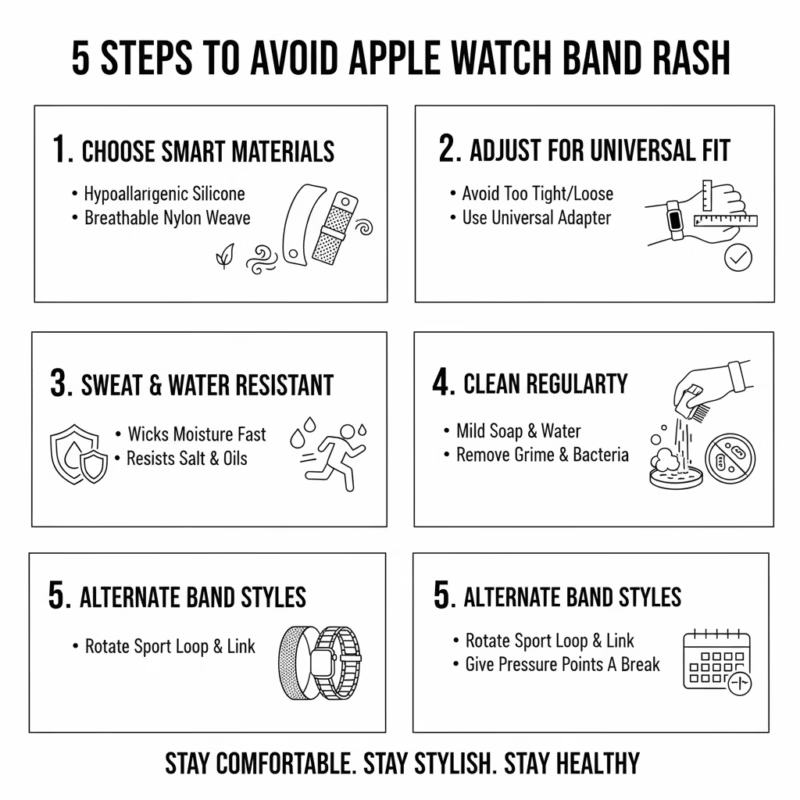
Avoiding that annoying itchy patch under your wrist starts with smarter choices. These five practical moves will keep your skin calm and your style on point.
Step 1 – Choose Hypoallergenic Silicone or Breathable Nylon Weave
• Go for bands made from hypoallergenic silicone, especially if you’ve got sensitive skin that flares up easily.
• Pick a breathable nylon weave if you’re someone who sweats a lot during workouts—it lets air pass through, cutting down on moisture buildup.
• Avoid leather and cheap rubber knockoffs. They might look sleek but often trap sweat and cause irritation.
Short version? If it feels plasticky or sticky, skip it. Your wrist deserves better.
Step 2 – Adjust Band Length with Universal Fit Adapter
A snug fit isn’t always the best fit. Here’s why:
- A band that’s too tight can rub against your skin and trigger redness or bumps.
- Too loose? It slides around, causing friction burns—especially during workouts.
- A universal fit adapter makes it easy to dial in just the right tension without compromising comfort.
The sweet spot is firm enough to stay put but never so tight it leaves marks.
Step 3 – Opt for Sweat Proof Material and Water Resistant Coating
✓ Look for bands labeled as both sweat proof and water resistant—these are engineered to wick away moisture fast.
✓ Materials like fluoroelastomer resist salt and oils from sweat better than standard silicone blends.
✓ If you’re outdoorsy or hit the gym often, this is non-negotiable—moisture + friction = rash city.
Keeping things dry under there makes all the difference when trying to avoid irritation from prolonged wear.
Step 4 – Clean Your Band on Easy to Clean Surface Regularly
You’d be surprised how much grime builds up on your watch band after a few days:
• Dead skin cells
• Sweat residue
• Dust particles
• Bacteria colonies (yeah, gross)
Wipe down your band every couple days using mild soap and warm water over an easy-to-clean surface like ceramic tile or stainless steel sink tops. If you’re lazy about cleaning, you’re basically inviting that rash back every time you strap it on.
Step 5 – Alternate Between Sport Loop and Link Bracelet Styles
Mixing up styles isn’t just about fashion—it’s smart skincare too:
– The sport loop, made with soft nylon, gives more breathability during active hours.
– The link bracelet, typically metal-based, offers a firmer structure that doesn’t cling to sweaty skin as much.
By rotating between these two styles throughout the week, you give pressure points a break while also reducing repetitive rubbing in one spot.
And if you want even more breathable options without sacrificing style? Check out what strapsdeal has going on—they’ve got some slick picks tailored for sensitive wrists without looking clinical at all.
Which Band Materials Reduce Apple Watch Band Rash Risk?
Looking to avoid irritation from your watch strap? Here’s a quick guide to materials that help keep your wrist happy and rash-free.
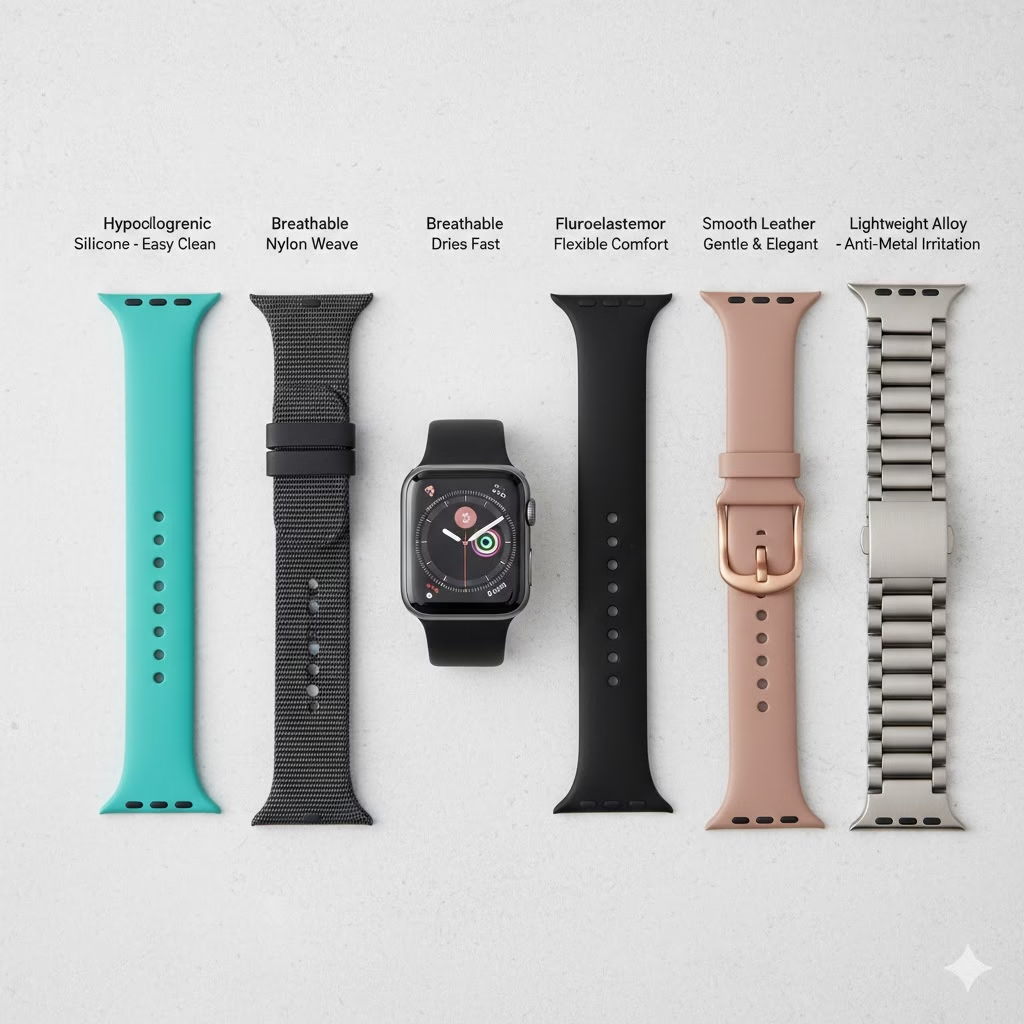
Hypoallergenic Silicone Bands – Budget Friendly with Easy to Clean Surface
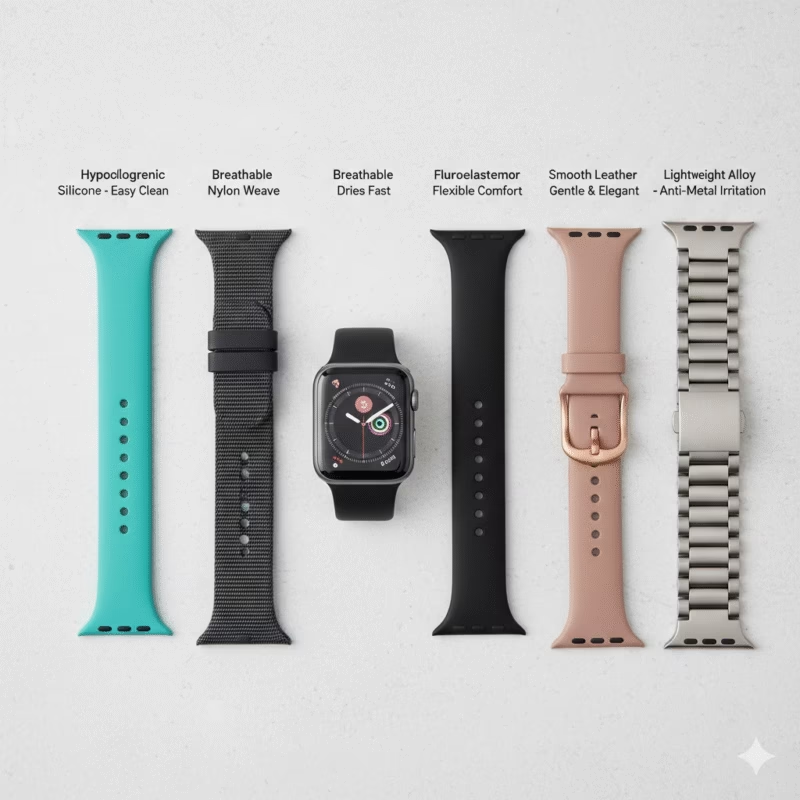
- Hypoallergenic silicone is soft, flexible, and doesn’t trap sweat—perfect if your skin reacts easily.
- Budget-friendly without skimping on comfort or style.
- Wipes clean in seconds, so it’s low maintenance even after workouts.
- Great pick for folks who wear their watch all day long.
- Doesn’t absorb moisture, which lowers the chance of that annoying wrist itch.
- Comes in tons of colors and fits most wrists snugly but gently.
- Popular among gym-goers and casual users alike.
Breathable Nylon Weave with Water Resistant Coating for Active Wear
• Sweat-prone wrists? A nylon weave band might be your new best friend—it breathes well, dries fast, and holds up through hikes or HIIT sessions.
• It’s woven tight enough to resist water but loose enough to let air flow through—less sweat equals less irritation.
- Feels featherlight on the wrist.
- Adjustable loop-and-hook closures make it easy to find the sweet spot between snug and suffocating.
✓ Perfect choice if you’re always on the move or love outdoor adventures.
With this material, you’re not just avoiding that itchy Apple Watch band rash—you’re sidestepping discomfort altogether.
Flexible Fluoroelastomer Designs Ensuring Comfortable Wearing Experience
The smooth texture of fluoroelastomer, commonly seen in sport bands, makes it a solid pick when comfort is key and skin sensitivity is an issue. Its flexibility means it moves with you—not against you—and doesn’t pinch or rub during daily wear.
As noted by IDC’s 2024 Wearables Trends Report, “Fluoroelastomer-based straps continue gaining traction due to their resilience under heat and friction while maintaining hypoallergenic properties.”
If you’ve ever had redness after wearing a band too long, this one might just solve your problem without sacrificing durability or looks.
Smooth Leather Material in Rose Gold Tone Finish for All Apple Watch Series
Soft feel? Check. Stylish look? Double check. The leather material here isn’t just about aesthetics—it’s smooth enough not to irritate sensitive skin types.
Short bits worth knowing:
– Works well for those who want elegance without discomfort.
– The rose gold tone adds flair without going overboard.
– Compatible across all Apple Watch generations.
This one’s more suited for formal settings than sweaty workouts—but hey, sometimes fashion wins too!
Lightweight Titanium Alloy Link Bracelet Style for Premium Quality Bands
- Made from lightweight yet strong titanium alloy, this bracelet-style band skips the bulk while staying upscale.
- Less friction = fewer chances of developing irritation under the clasp area.
- Ideal if metal allergies have ruined other bands for you before.
- Polished finish feels smooth against bare skin—even during extended wear hours.
- Looks premium but wears like it’s barely there; great balance between form and function.
- Pairs especially well with business attire or high-end casual looks.
For anyone dealing with Apple Watch band rash due to metal sensitivity, this option checks all the right boxes—and yes, strapsdeal carries versions that won’t break your budget either.
FAQs about Apple Watch Band Rash
Why does my Apple Watch band cause a rash on smaller wrists?
Smaller wrists often mean less space for air to circulate under the band. When sweat and heat get trapped, irritation follows. The tighter fit increases friction, which can stress sensitive skin over time—especially during workouts or long wear.
Which materials are gentler on skin prone to rashes?
Some materials naturally work better with delicate skin:
- Hypoallergenic silicone: soft and flexible with fewer irritants
- Breathable nylon weave: allows airflow and dries quickly after sweating
- Smooth leather (non-dyed): gentle against the wrist with minimal chemical exposure
These options reduce direct pressure while keeping your skin cooler.
Can switching up my watch strap style actually help prevent irritation?
Yes—and it’s not just about fashion. Changing from a snug sport loop to something looser like a leather strap gives your wrist a break. Each material touches your skin differently; rotating styles helps avoid constant pressure in one spot, giving irritated areas time to heal without sacrificing daily use.
How important is cleaning when dealing with an Apple Watch band rash?
It might sound simple—but regular cleaning makes all the difference. Sweat builds up fast, especially in textured bands like woven nylon or fluoroelastomer straps used for exercise. A quick wipe-down after workouts removes bacteria before it causes trouble. Once or twice weekly, wash gently with mild soap and water—your skin will thank you.
What clues suggest that my current watch band is irritating my skin?Your body speaks up when something’s wrong:
- Redness that lingers hours after removing the watch
- Itchy patches right beneath where the buckle rests
- Tiny blisters forming along edges of metal links or synthetic bands
If these signs appear consistently, it’s more than coincidence—it’s time for a change in both material and how tightly you’re wearing it.